Cigna builds two accountable care models and looks to close oncology gaps between visits
Cigna outlined different approaches for academic medical centers and experienced providers. Other panelists made the case for upfront funding, clearer care roles and more usable data.

LAS VEGAS — Cigna is developing two versions of its accountable care model, one for academic medical centers and one for high-performing providers with more experience in value-based care, The Cigna Group Chief Medical Officer Amy Flaster said Monday at HLTH USA. She also described how the insurer could use its work with OpenAI to help reach oncology patients in the days after chemotherapy, when new symptoms can arise before a scheduled follow-up.
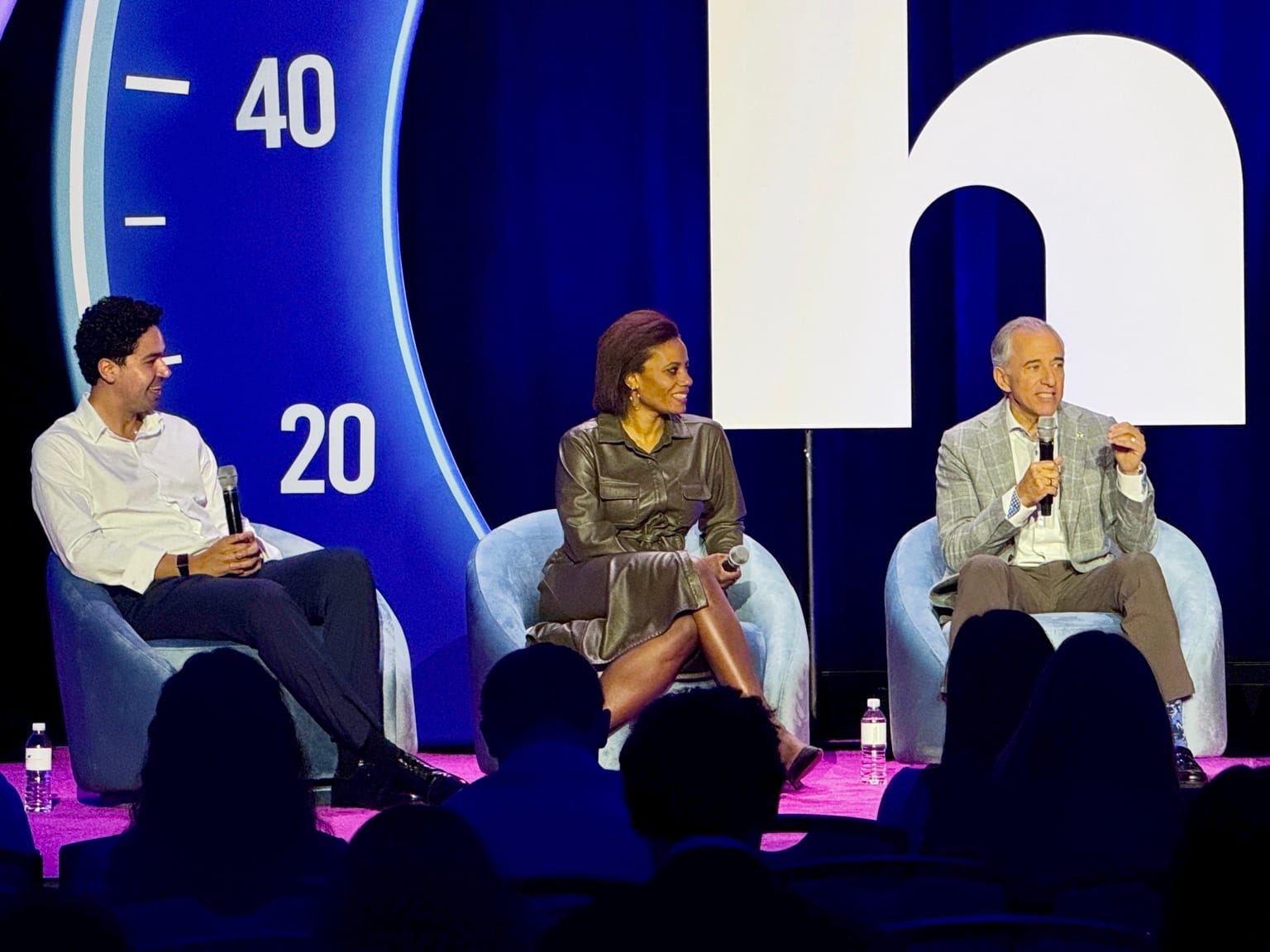
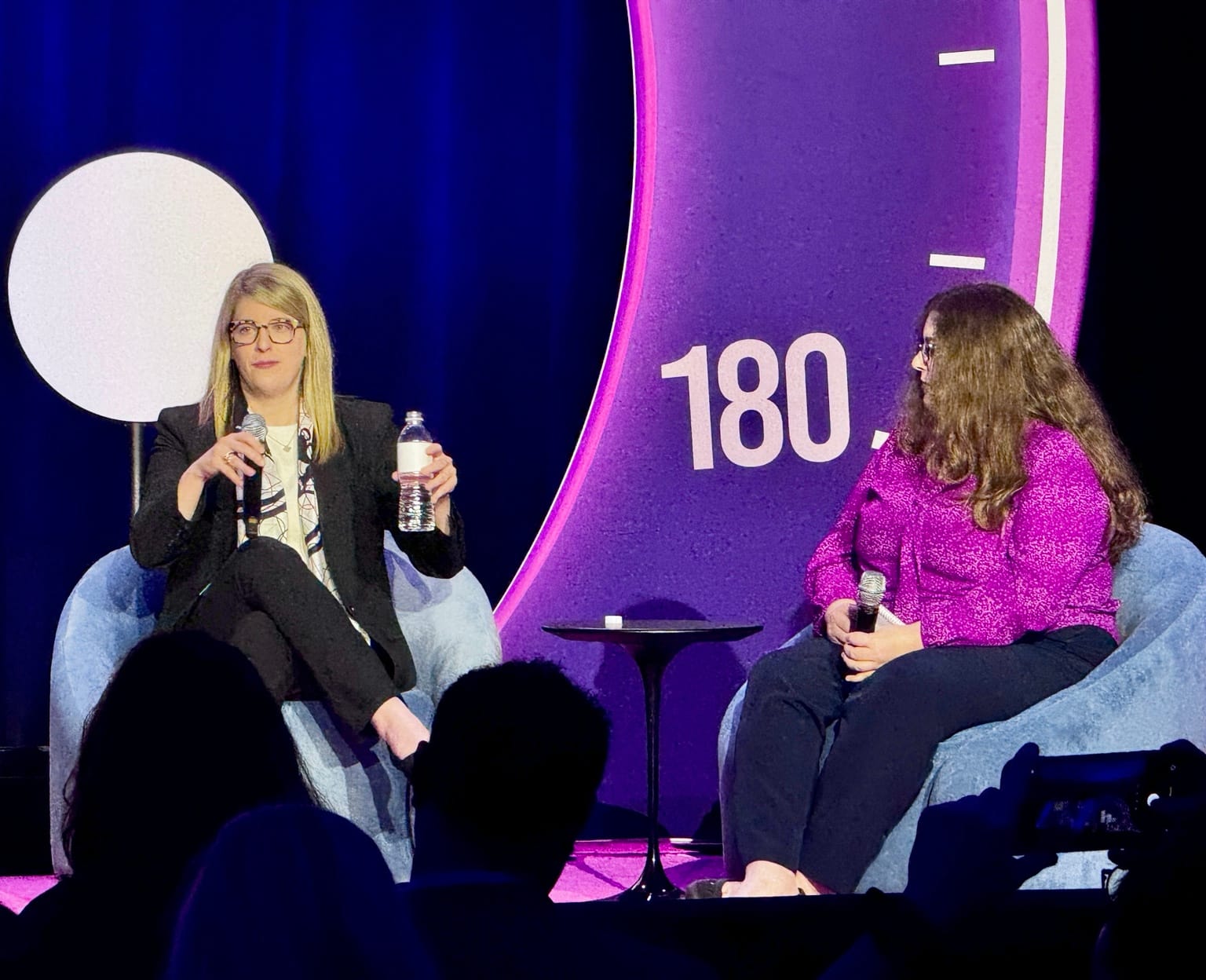
Paige Minemyer, a senior writer at Fierce Healthcare, moderated the HLTH session. Flaster was joined by Patrick Sheehan, vice president of value-based care at Withings; Aisha Pittman, senior vice president of government affairs at the National Association of ACOs; and Darryl Elmouchi, chief operating officer at Providence.
Building the contracts with providers
Flaster said Cigna is pursuing a “closer partnership” with providers as it designs the new Cigna Accountable Care models. She said earlier proposals that looked good inside the insurer did not always land with providers. She also said Cigna is working to share accurate information sooner and offer care coordination support that smaller practices may have less capacity to build themselves.
Pittman said accountable care organizations often want commercial programs to resemble Medicare’s so they can scale their work across payers. She argued for aligning common requirements while leaving room for local differences. The contracts and the people working under them also need to be clear about “who’s taking point” on care management, she said, so organizations can see what each is accountable for.
Pittman also emphasized “getting payment upfront” so providers can invest in services and technology expected to improve outcomes. She returned to that point in closing, saying the ability to pay for technology can depend on a provider already having done well in value-based care. That can put practices in the position of needing to show results before they can afford some of the tools that would help produce them.
Reaching patients after treatment
Flaster described Health Sense as a way to bring together claims, clinical, pharmacy and lab information to support members “between doctor’s visits.” She used chemotherapy to show how the approach might work. Cigna could use predictive analytics to identify members at higher risk of side effects, reach out with education and symptom support, and help connect them to a virtual visit when needed.
Elmouchi said that even after health care went electronic, “data is very fragmented.” He pointed to the Medicare Shared Savings Program as a stable basis for Providence to build the work of coordinating care and getting relevant data to the people delivering it.
He said the design challenge becomes obvious in a short office visit. Patients can bring data from scales, watches and other devices, while clinicians already face a crowded set of decisions. He warned of “information overload” and stressed delivering the information a caregiver needs at the point when they can act on it.
Giving patients a reason to choose accountable care
Sheehan said value-based care may have “a branding problem.” He said patients need a reason to choose an accountable care relationship and framed the opportunity in terms of the experience they get and the support they can use at home.
Sheehan pointed to the Centers for Medicare & Medicaid Services’ ACCESS model, which tests payments tied to outcomes for technology-enabled chronic care. He described Withings’ role in that model as “focused only on the outcome.” He sees room to develop devices and services around measurable changes in patients’ health and to make home monitoring part of an ongoing relationship with a care team.
When Minemyer asked what would accelerate adoption, the panelists returned to the work that happens between encounters. Pittman called for a way to fund technology early. Elmouchi saw potential for AI to help clinicians handle growing workloads, particularly in rural settings. Flaster saw earlier outreach as a way to make specialty support more continuous. Sheehan said a better experience at home could give patients a reason to opt in.
What changes for the teams that deliver care
Flaster made a distinction between making an accountable care arrangement available nationally and making it suitable for the practices that would implement it. An academic medical center and a provider organization with a record of delivering under value-based contracts were the two examples she offered. She did not provide contract terms, financial thresholds or start dates for either model. The development she described was a change in how Cigna and providers are putting the arrangements together.
Pittman said providers can lose trust when risk adjustment or program rules change during a contract. Her point was operational as well as financial. A practice that has hired a care manager or established outreach after discharge needs to know which organization owns those functions and what information it will receive. Contract consistency can make that work easier across payers, while a uniform model can also miss differences in how providers in a local market deliver care.
Elmouchi described Providence’s work in Medicare’s Shared Savings Program as a base it could use for other arrangements. He put the emphasis on coordinating care and delivering relevant data to frontline staff. A system can use the same capabilities across several contracts, but its clinicians still have to work with the specific information and responsibilities built into each one. That makes the question of who receives the next alert as important as which organization receives a payment.
The chemotherapy example made that problem concrete. A risk signal generated from claims or clinical information could help an insurer decide whom to contact between visits. The next steps would be to determine whether a patient’s symptoms need an oncology team, a virtual visit or another response and to make sure that the person receiving the outreach knows what to do. Flaster described a possible use of the collaboration. The panel did not present a comparison showing whether such outreach had reduced emergency visits or shortened the time for a patient to reach a clinician.
Sheehan’s account of home monitoring offered a parallel test. A device can give a patient an immediate reading, but a useful program also gives that patient a clear reason to keep measuring and a route to get help when readings change. The panelists’ examples suggest one way to judge the arrangements as they develop: whether the information travels far enough to change what happens for the patient between visits.