Anthropic’s health lead puts paperwork ahead of autonomous care decisions
Syed Mohiuddin told Christina Farr that health AI can already help with administrative work. Acting for patients requires more complete records and stronger validation.

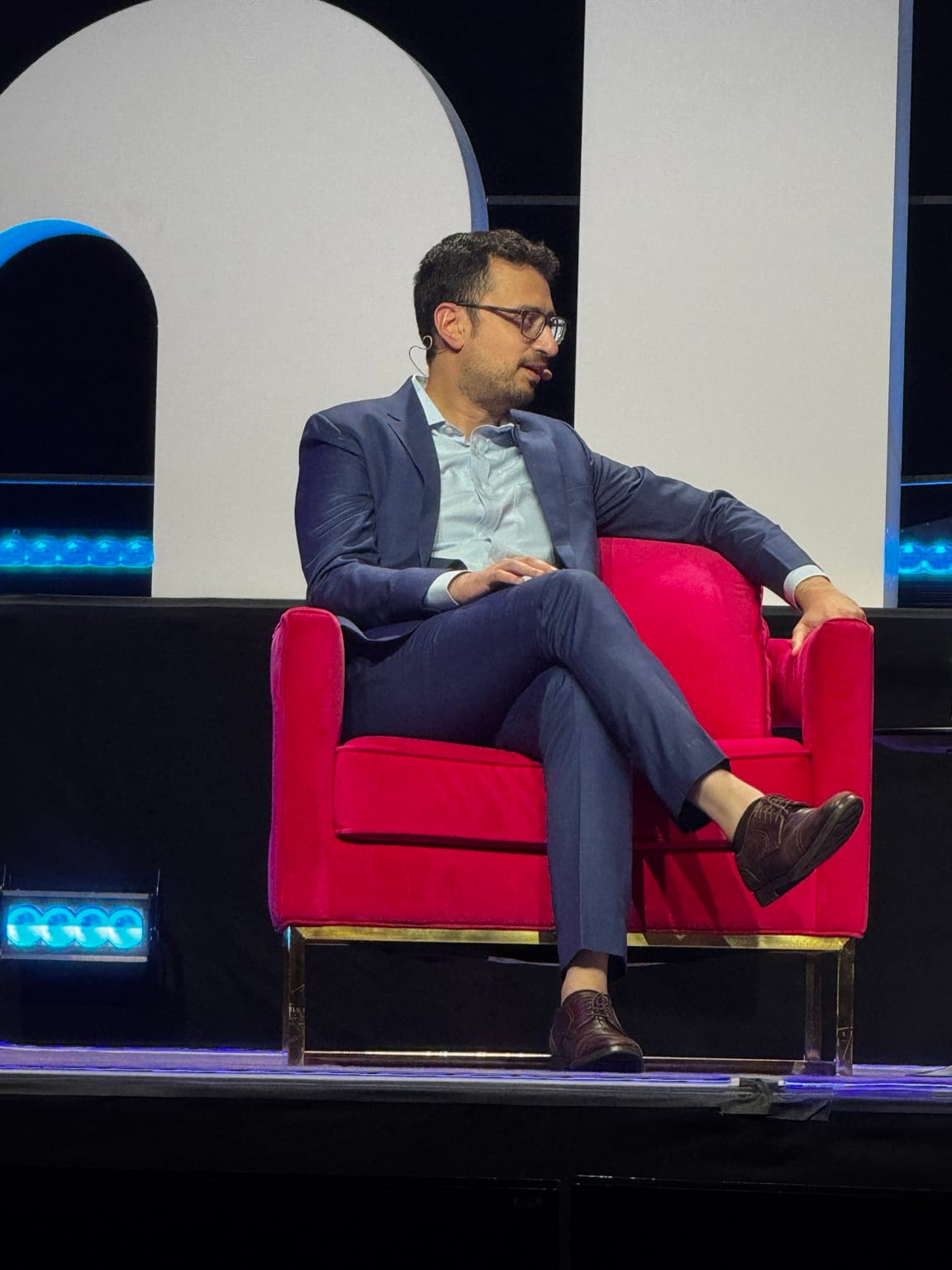
Anthropic’s head of healthcare said Nov. 16 that the most immediate job for artificial intelligence in medicine is to give clinicians time back. Syed Mohiuddin told an HLTH USA audience in Las Vegas that models can help with paperwork now, while using them to act independently on a patient’s behalf requires better information, validation and safety testing.
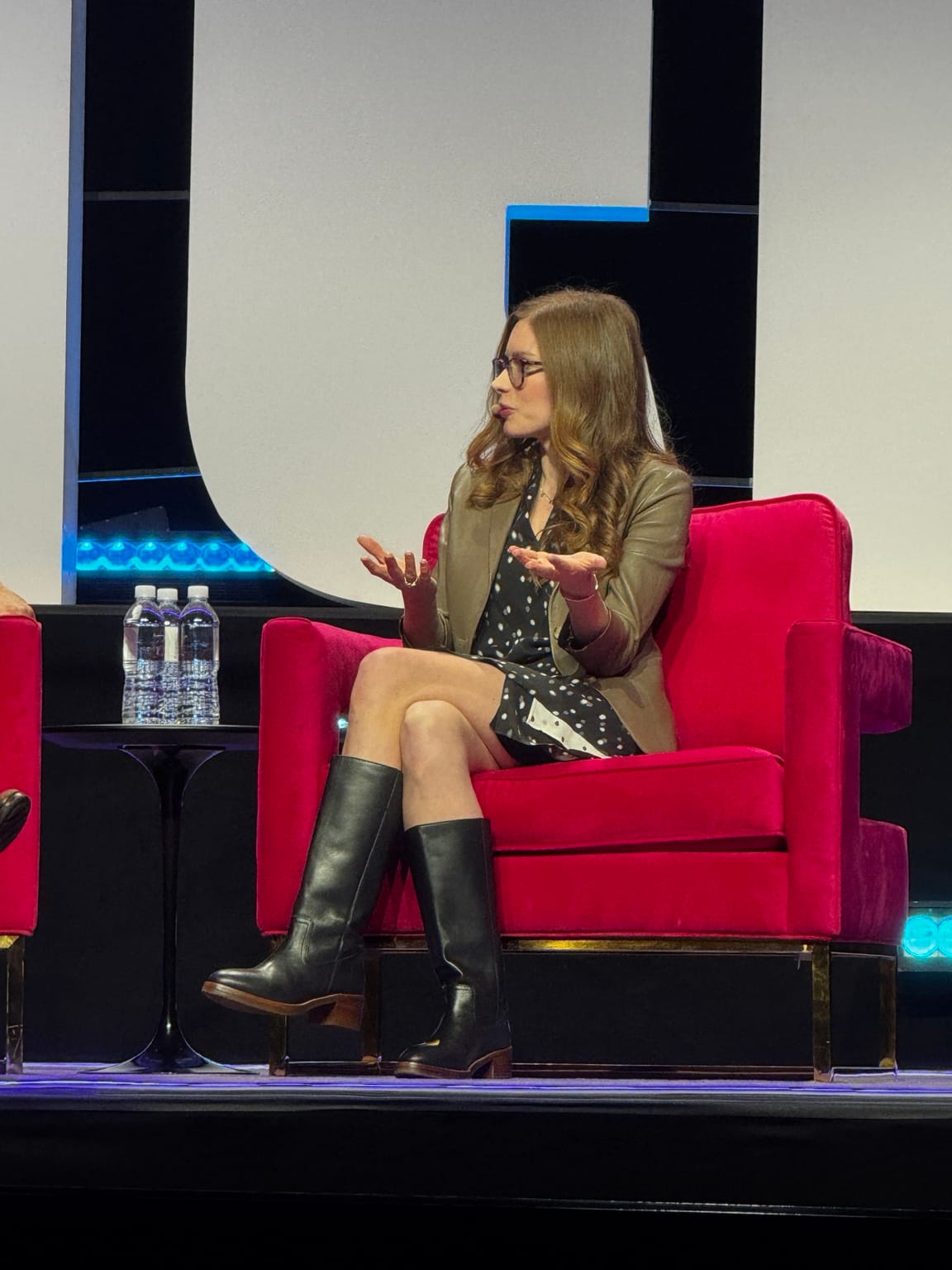
Moderator Christina Farr, CEO and editor-in-chief of Second Opinion, put a cost and capacity question to Mohiuddin. As people use tools like Claude or ChatGPT to ask about their health, some follow up by seeking appointments, tests or procedures. Farr asked what happens when tools that help patients identify concerns also send more people into a system where specialist appointments and primary care can already be hard to get. She raised the issue after an informal show of hands about AI use and follow-up care in the room.
Mohiuddin said a health assistant should be able to put a possible next step in context, including whether a patient needs an in-person visit, which clinician is appropriate and what the patient’s coverage and likely costs mean for the options available. He argued that connecting clinical and payer information could make the advice more useful. That would require the organizations holding the information to share it and keep it current.

The question is what kind of demand the tools create. A reminder to follow up on a result a clinician already flagged is different from a referral prompted by a broad description of symptoms. Both can turn into an appointment request. A health system would need to know whether the person was routed to the right service and how long it took to get there. Counting referrals alone would give administrators little way to tell if the tool was helping patients navigate care or simply adding another queue.
The gap between a conversation and an action
Asked when AI might directly deliver care, Mohiuddin spoke about the field’s direction and said he was giving his own view rather than describing Anthropic’s product plans. “The gap from that to taking autonomous action has several steps,” he said in the session, referring to the move from conversational answers to acting on them. He described the need to check whether a system has enough reliable information and how it responds when a user is steering it toward a particular answer. He expected the first autonomous tasks to be at the lower-risk end.
For now, he said, healthcare organizations should use the technology to “take that administrative burden off the table.” Farr pointed to documentation and insurer interactions as work that can consume time clinicians could spend with patients. A randomized trial of two ambient documentation tools among 238 outpatient physicians found that one tool reduced time spent writing notes by 9.5% versus usual care, while the other produced no statistically significant change. For health systems, time saved on notes is a measurable outcome. Whether it translates into shorter waits or more appointments is a separate question.
That distinction gives clinical leaders more than one measure to watch. A scribe can reduce time in the note even if other work, such as reviewing generated text or correcting errors, stays with the clinician. If a health system also expects to expand access, it has to check whether saved time changed the appointment schedule. The randomized study measured documentation time. Farr’s question was about what happens to patients waiting for care.
Farr also raised athenahealth’s work with Anthropic. The Nov. 2 launch gives patients a way to connect their health records to Claude if they choose. That gives the model more context for questions about a record, a use distinct from making or carrying out a care decision. The Food and Drug Administration’s 2026 guidance explains how existing device rules can still apply to software functions intended for patients or caregivers.
For the health-record connection, relevance depends on what is available to share. A patient may have records at several practices, a separate pharmacy or a recent visit whose notes are still unfinished. Adding a source of data can make the assistant’s answer better informed while leaving material facts missing. Mohiuddin’s emphasis on validation is most consequential when an answer leads to an action the patient or clinician might have trouble reversing.
Why simpler paperwork may still produce a billing dispute
Farr asked whether tools that document encounters more thoroughly might increase billing even as they reduce clinician paperwork. Mohiuddin said providers can use better documentation to submit cleaner claims, while insurers have tools that help them find savings. Each organization has reason to use the information it controls. He argued that using technology on both sides without changing the underlying incentives can leave the back-and-forth intact.
His alternative was for plans and providers to agree on clinical guidelines, make contract terms visible and start by “looking at the same set of information.” That could reduce disputes about which services are covered and what documentation is required to pay for them. His point was that this depends on decisions by insurers, providers, electronic health record vendors and regulators, including decisions about what each organization is willing to share.
The disagreement can be practical even when both sides use accurate software. A provider may have documented the clinical reason for ordering a service, while a payer may be applying a coverage rule that calls for additional information. If neither side can see which document or term matters, faster software can move the claim and the objection more quickly without settling the question. The patient may still have to wait while the organizations resolve it.
Mohiuddin ended his discussion of near-term priorities by asking organizations to connect their tools to relevant data, involve the people who understand the work and pick improvements they can measure within six months. He said the right mix of internal development and outside vendors depends on what an organization can do well itself. Farr’s opening question remains the practical test for those investments. If a tool sends someone toward a visit or a test, the health system needs to know whether that person reached the right care and whether the workflow made it easier to get there.