Blue Shield wants real-time clinical data as employers press health plans on costs
Blue Shield of California, Banner Health and Morgan Health offered different ways to pay for earlier care, coordinate specialty services and slow premium increases.

Blue Shield of California wants its provider partners to share clinical information with the insurer in real time, giving both organizations a chance to intervene before a patient’s condition worsens. Banner Health CEO Amy Perry approached the same problem from the payment side. She said Banner can put more money into prevention when it controls the premium or shares financial responsibility with an insurer. Their proposals came as employers face higher premiums and must decide whether to buy more services separately or ask their health plans to coordinate them.
Mike Stuart, president and CEO of Blue Shield of California, and Perry joined Morgan Health CEO Dan Mendelson for a Nov. 16 discussion in Las Vegas. Debra Richman, managing partner of Forward Ventures Group, moderated. Richman asked what the three organizations would invest in heading into 2027 while still having to show results on costs today. KFF’s 2026 employer survey gives the question a price. Annual premiums for employer-sponsored family coverage averaged $28,303, up 5% from 2025. Workers contributed $7,471 on average, up 9%.
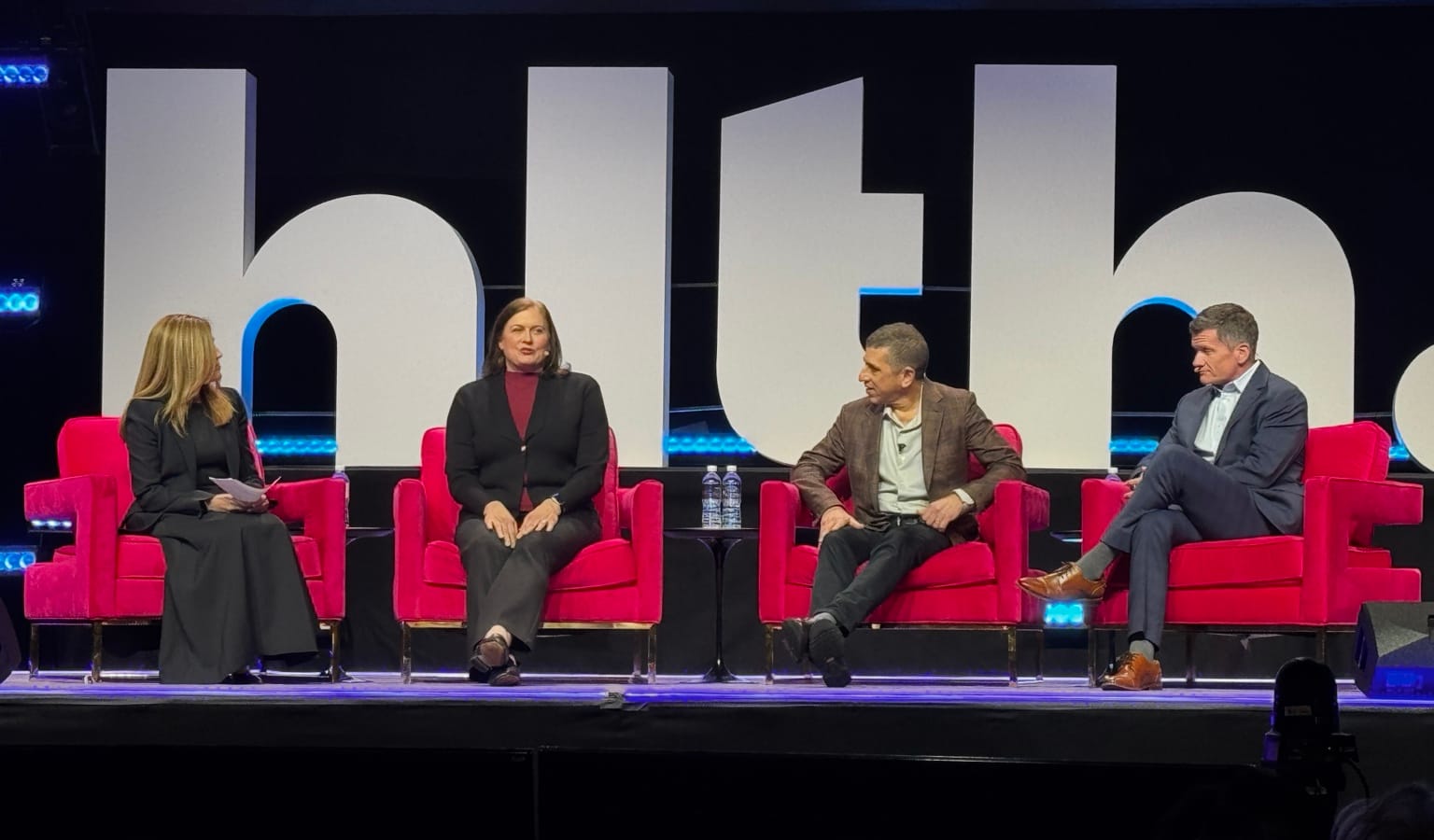
Blue Shield wants insurers and clinicians to see the same problem sooner
Stuart called for “real-time bi-directional data flow” between a health plan and its provider partners. Claims tell a payer what care was billed and can help it track use across providers. A clinician treating the patient may have a more immediate view of a change in health. If information moves in both directions while it is still useful, Stuart argued, the insurer and provider can decide sooner whether someone needs help. He described that as “changing the operating model,” with the plan and provider sharing responsibility for what happens next.
Stuart said shared standards and application programming interfaces have made it less costly to connect organizations. That addresses the work of moving information. His example also raises an operational question about who can act on it. When a health plan flags an unmet need, the provider needs to know what triggered the alert, who is already contacting the patient and who can arrange follow-up. Without that division of work, an electronic alert can leave the same coordination problem the exchange was meant to solve.
Richman asked what providers and insurers could offer employers directly. Stuart said an insurer’s relationship with a purchaser should include the provider. He put questions about navigation and coordination alongside the question of price. That gives an employer a way to evaluate the promised integration. It can ask who helps an employee find care, who resolves a problem when it crosses organizations and whether the information needed to help the employee arrives in time.
Banner wants the premium to pay for earlier care
Perry said Banner’s ownership of a health insurer helps it “align reimbursement with care.” Banner also works with insurance partners. Where it has access to the premium through either arrangement, Perry said, the system can “invest in wellness” before someone needs more expensive services. In her account, a health system that gets paid mainly for encounters has less room to fund work that could prevent those encounters.
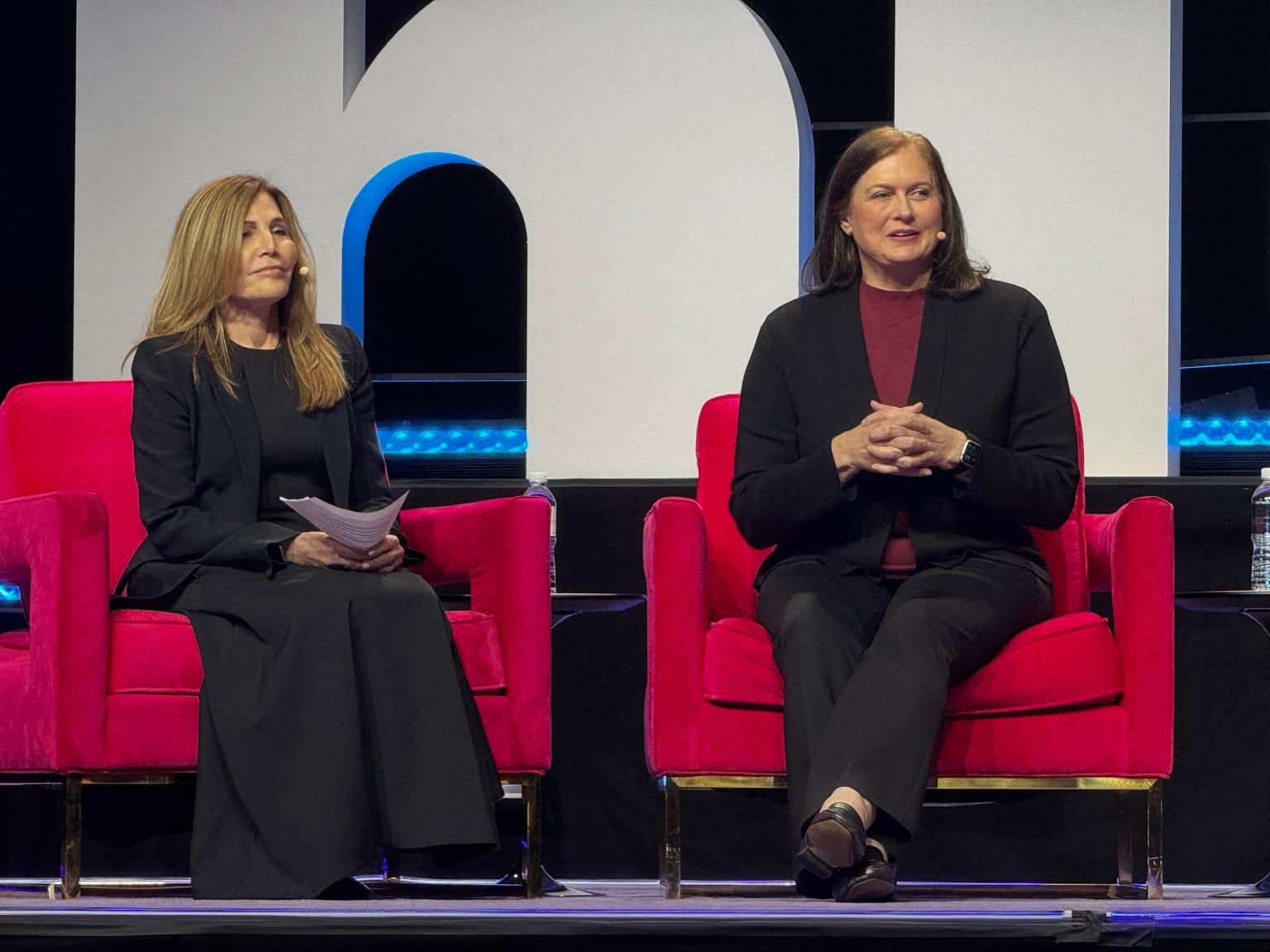
Richman’s question about selling to employers brought out the difference between Banner and Blue Shield’s starting points. Perry emphasized the financial distance between a health system and the premium. Stuart emphasized getting the insurer and provider to work as a team even when they remain separate companies. An employer evaluating either arrangement would still need to know which preventive services get funded and whether results show up in better access or lower costs for its workers.
Stuart pointed to the federal ACCESS Model as an experiment he would like to see inform commercial coverage. The voluntary Original Medicare model ties recurring payments for technology-supported chronic care to measurable health outcomes. The panel discussed its potential as an example for private plans. Stuart did not announce a commercial rollout. For employers, the question is whether a comparable arrangement could make useful chronic care easier to reach and provide evidence that the program helps patients.
Employers want specialty care they can buy and manage
Mendelson said specialty care and GLP-1 drugs are among the sources of cost pressure he sees in employer-sponsored coverage. In the near term, he described investment in services that can help employees reach appropriate specialty care. He cited Thyme Care for cancer and Cortica for children with autism. Both are Morgan Health portfolio companies. His longer-term question was whether plans could buy or build enough of those capabilities to offer employers a coherent product.
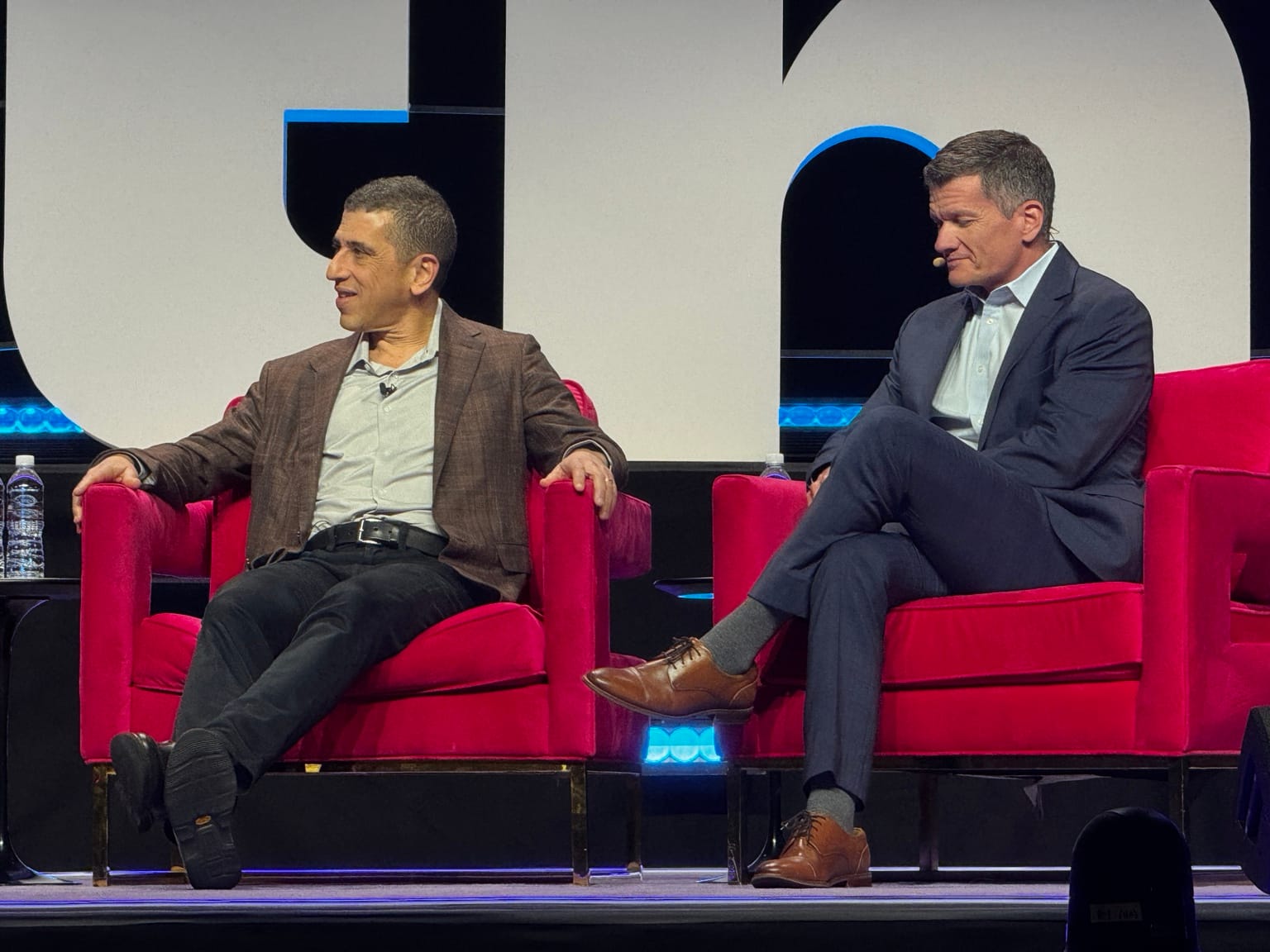
Most employers, in Mendelson’s view, do not want to “deploy 100-point solutions.” Every additional vendor can bring another contract, another way for employees to find help and another reporting process for the benefits team. Mendelson described employers wanting an insurer to bring the pieces together because they lack “the time or the wherewithal” to manage them separately. A single contract could simplify the purchase, although the responsibility for routing a patient to the right service still has to be clear.
When Richman asked about smaller employers, Mendelson discussed alternatives such as narrower networks. That changes what the employer needs to check. A lower premium can be attractive, but a smaller network also affects where a family can go for care. An employer with limited negotiating leverage needs to know whether the available clinicians meet its workforce’s needs, particularly for specialty care that is already expensive or difficult to arrange.
The options differ in how much room employers have to shape care. A large employer may be able to negotiate a specialty program and track who uses it. A smaller buyer may need the plan to do that work and explain the results in terms that are useful at renewal.
Richman closed by asking the panelists to describe success at the end of 2027. Perry wanted better access with finances aligned across care delivery and coverage. Stuart wanted coverage to reach more people and premium increases to slow. Mendelson named closer-to-term measures such as whether more people with cancer receive high-quality care at a reasonable cost. Those measures capture different parts of the same purchasing decision. A purchaser may pay for better data sharing or a new payment model, but the case for renewing the contract rests on whether employees obtained care earlier, whether the care helped and what they and their employer paid.