Texas Medical Center will test leading seed rounds for medtech startups
The Houston medical center plans to offer lead term sheets to one to three companies a year and help them develop their products while they recruit other investors.

LAS VEGAS — Texas Medical Center plans to test a venture model that would give a handful of early-stage healthcare startups a lead term sheet and practical support as they try to close a funding round. Chief Innovation Officer Tom Luby said Monday at HLTH USA that the Houston organization will start with medical technology companies and then extend the approach to therapeutics.
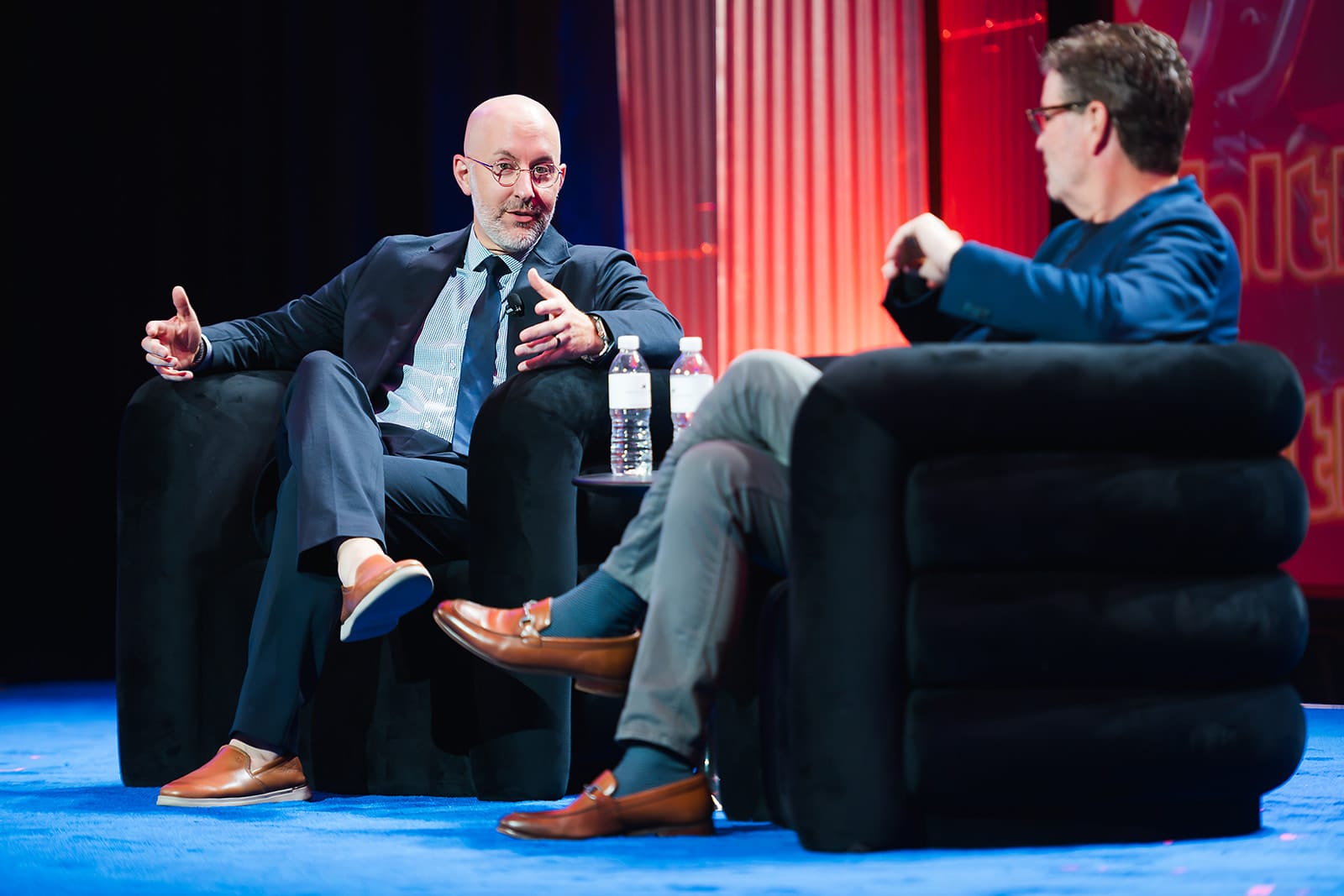
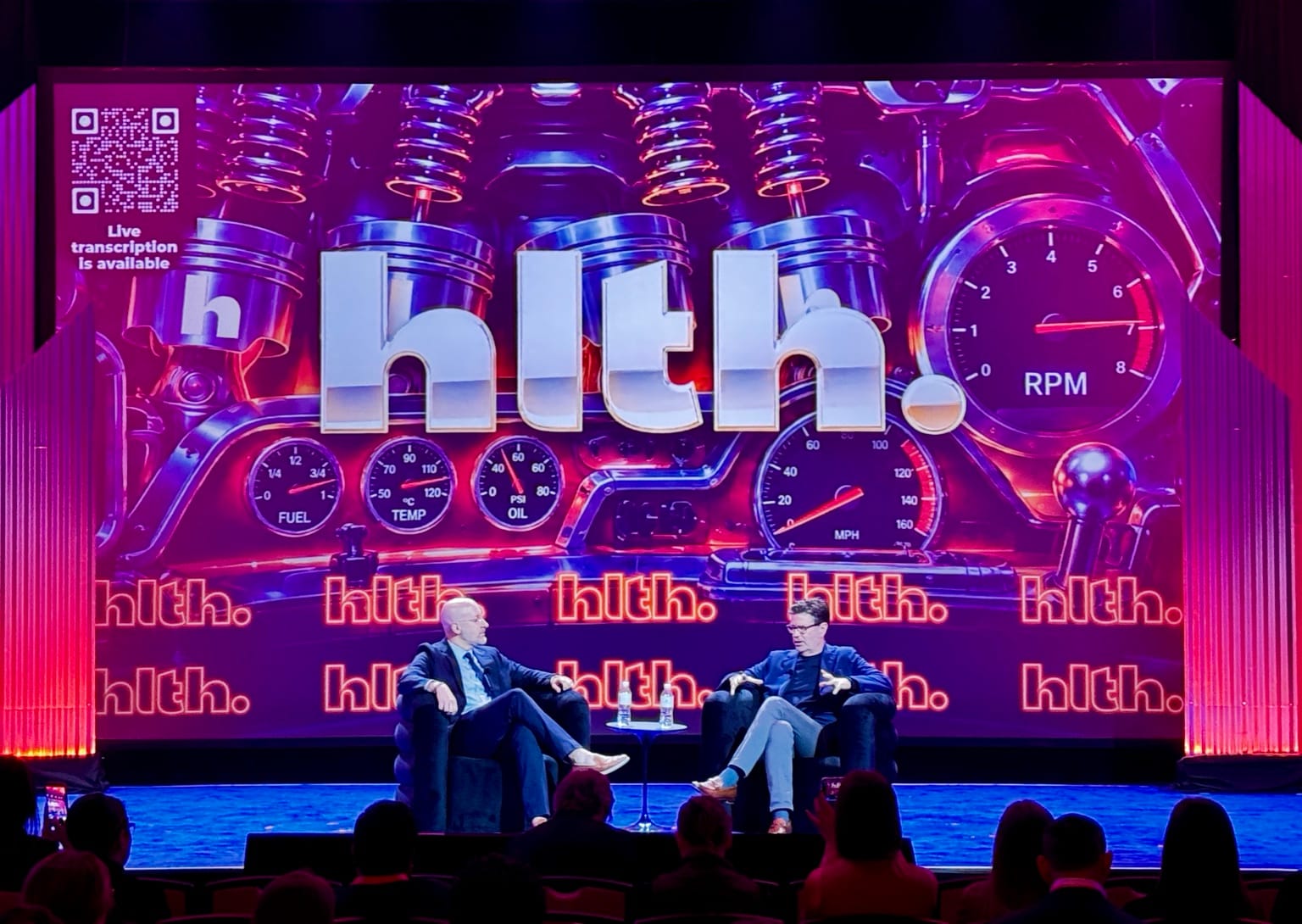
Luby described the experiment in a Revv Stage discussion moderated by Dr. Lance Black, senior associate dean of innovation and strategic projects at the Texas A&M School of Engineering Medicine. Black asked what founders could expect of the medical center as an investor and what they might give up to work with it. Luby drew a distinction between programs that help companies without taking equity and the venture fund’s equity investments.
Finding out whether other investors will commit
Luby said the initial candidates would be pre-seed or seed companies that have raised little traditional capital and believe they can bring other investors into a round once a lead steps in. “We’re going to pressure test that,” he said. He outlined selecting one to three companies a year and working with them over the course of a year to see whether they can assemble an investor group.
During that time, the medical center would provide in-kind services so founders can keep developing their products and building their companies while raising money. Luby gave a target for the number of companies but did not specify check sizes, equity terms or a launch date. A lead term sheet would give founders proposed terms to take to other investors. Closing a round would still depend on securing their commitments.
The proposal builds on existing work at the medical center. Its medical device studio already combines infrastructure, expertise and capital. Luby also described an entrepreneur-in-residence program that can pair a prospective founder with an institution, identify a problem worth solving and use venture funding to get the resulting company started. The experiment he described applies those resources to young companies that are already looking for a lead investor.
Matching founders with institutions
“You can’t build a biotech in your kitchen,” Luby said. He described lab space for biotech companies, prototyping resources for device developers, and experts who can help founders understand U.S. regulatory and reimbursement requirements. Those resources matter to companies whose next milestone may be a prototype or a clinical study and whose staff is too small to bring every specialty in-house.
Black asked how a company can navigate institutions with different procurement and pilot processes, including specialty hospitals and other providers. Luby said members compete for patients, staff and grants, but the innovation team can find places where their interests align. One institution may have more early-phase research work than it can take on, while another may be trying to expand its capacity. The introductions depend on knowing what each institution is prepared to do.
Luby said the center also helps some international companies through its BioBridge programs, without taking equity in the examples he described. Houston’s longer-term aim is to attract companies that might run a pilot there and ultimately use the city as their U.S. base. He cited the Netherlands as one source of companies exploring that route.
Black asked how the medical center judges success, from whether a company lands a pilot or customer to whether it attracts investment. Luby said the answer depends on the stage of the business. He pointed to forming a company around an institution’s research, advancing a product to a clinical study and, farther down the line, earning a return. For the new experiment, the first measure will be whether the selected founders can turn a lead offer into a completed round while continuing to develop their products.