OpenAI says Cigna is using an AI agent to gather information across case-management systems
Cigna’s workflow brings information together before patient outreach. OpenAI also described clinician review, access controls and the limits of its inbox-task evaluations.

Cigna case managers use an OpenAI agent to gather information from about 10 systems before contacting patients. The case managers still decide what to do with what the software finds. Karan Singhal, OpenAI’s head of Health AI, described the setup as a “production workflow” during a Nov. 16 Main Stage discussion in Las Vegas. He offered it as an example of where an agent can do the work of navigating software while the care team remains responsible for helping the patient.
Dr. Akshay Syal, an internist at Atria Health and Research Institute, moderated the discussion with Singhal and Ashley Alexander, OpenAI’s vice president of product for health. Syal asked what a patient going to the doctor the next week would notice. The answer began with paperwork. Singhal described clinicians, specialists and case managers spending less time moving among systems that do not share information easily. He gave no patient outcome figures for Cigna and made no prediction about how soon a typical patient would see a difference.
Where the agent fits
In its technical account of the Cigna deployment, OpenAI described case managers pulling together coverage, appointment and provider information and looking at previous interactions. A case manager may need all of that before placing a call. Coverage information can change where someone can be seen. Knowing that an appointment is already booked can change what the case manager needs to ask. Previous outreach can explain why the next call is due. The agent assembles information across tools, giving the person making the call a starting point.
That job has a boundary. The treating provider establishes the care plan. The case manager uses the information to help the patient carry it out. The Cigna example described an agent performing the retrieval step. A health organization evaluating a similar workflow would still need to know how often the system produces a current, usable summary, how reviewers catch missing information and how much work the review itself adds. An agent can save time on individual screens while shifting work into checking the result.
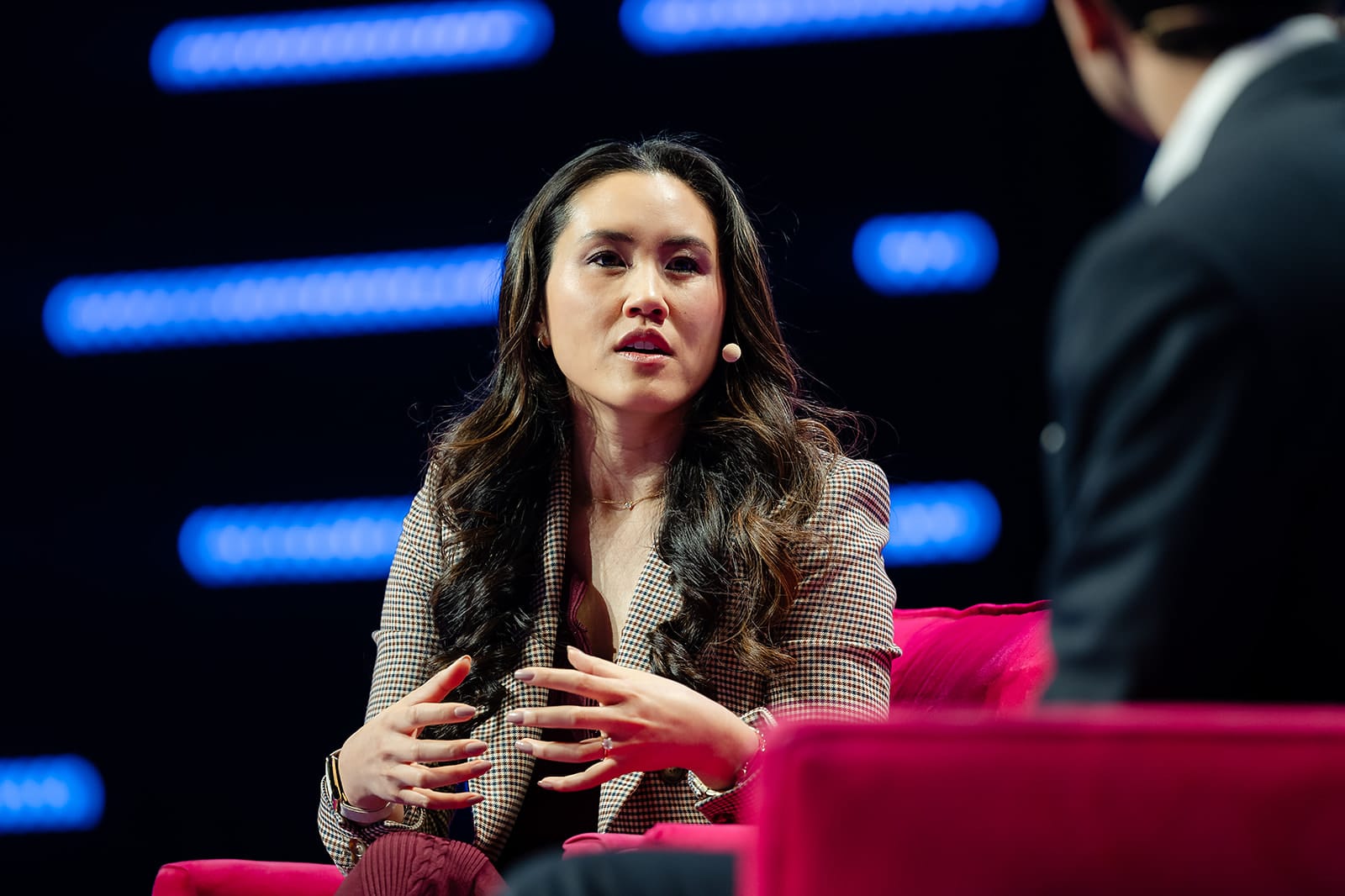
Alexander said fragmented software leaves care teams “holding it together.” She outlined three product changes. The first lets agents navigate existing healthcare software. The second adds healthcare plugins that can connect tasks such as eligibility checks, referral follow-up and guideline lookup within one conversation. The third improves clinical search, which returns citations for medical evidence. The distinction matters for purchasers. An answer from a clinical search can be checked against its source. An action in a scheduling or records system can change what another person sees or does next.
A demonstration built around review
The panel opened with a recorded electronic health record inbox demonstration. A clinician asked the agent to review a patient message against recent visits and treatment history and prepare items for review. The demonstration showed an unsigned order and a draft reply. It also showed a separate administrative task that assembled supporting documents and checked coverage and network status. The opening sequence illustrated the difference between producing something for a clinician to review and taking an action that leaves the draft stage. It was a demonstration, distinct from the case-management deployment Singhal described later.
For hospitals, Alexander pointed to access controls based on a user’s role and to logs that record actions. A team introducing the software can use those controls to decide which staff can reach which records and to trace what the agent did if something looks wrong. A decision about what requires review comes before a rollout. For example, a draft reply should have a clear owner who knows it is waiting. A change to a live system requires clarity about who authorizes it and how staff can tell it happened.
Alexander said “the model and the product should prove themselves to people” before a broader deployment. The product matters alongside the model because an apparently sound response can still be incomplete for the task. In a referral workflow, for example, a sensible summary cannot make up for a missing attachment. Conversely, an agent that assembles every attachment still needs a clear signal about whether the referral is ready for a person to review or has actually been sent.
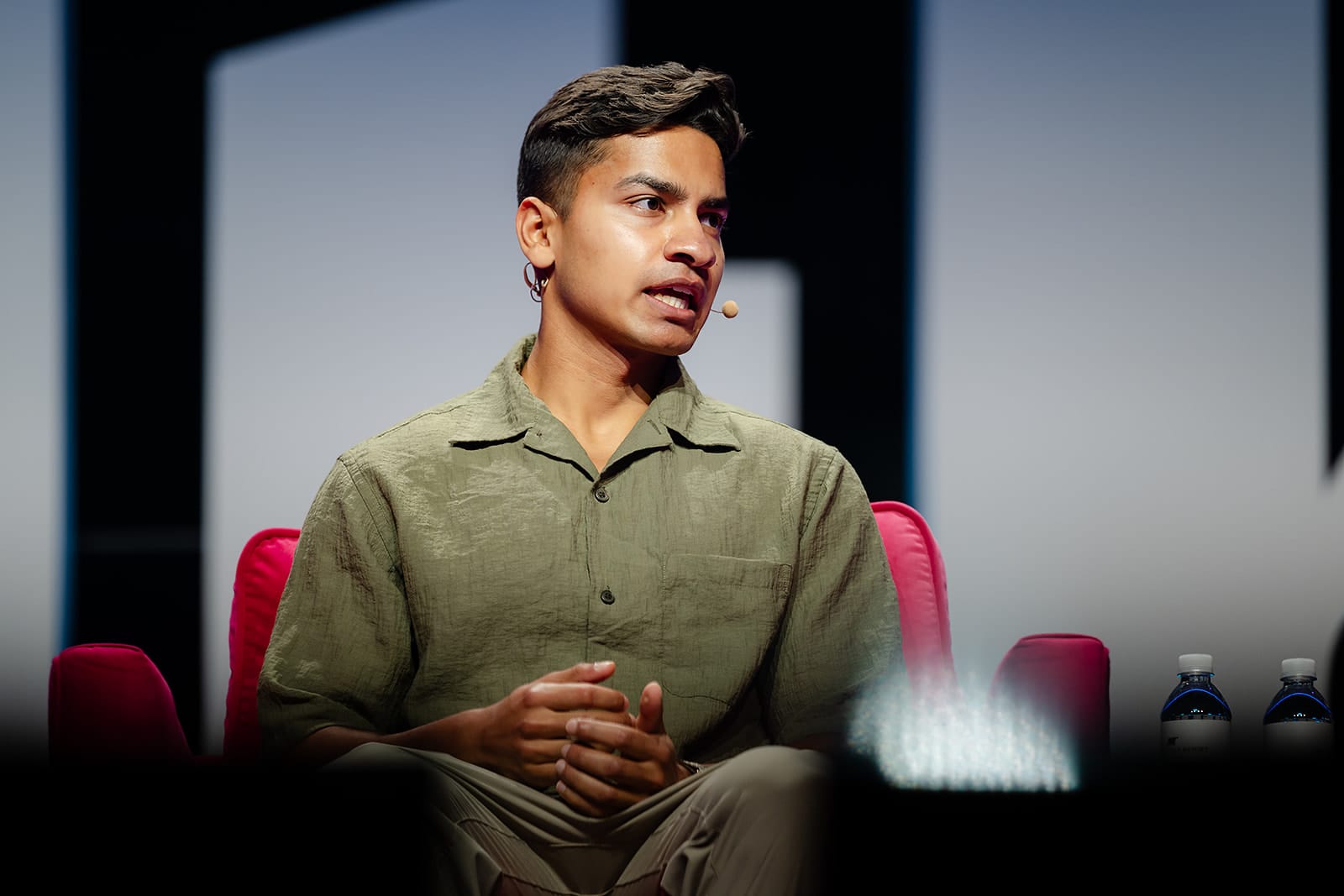
The discussion gave few details about how exceptions are handled in the live Cigna workflow. An eligibility result that conflicts with a payer portal, for example, leaves the case manager with a different task from one in which the sources agree. The deployment details available publicly do not show how often such conflicts occur or how the team resolves them.
What the safety ratings cover
Singhal cited a company evaluation of tasks modeled on work in an electronic health record inbox. The published results showed reviewers rated 99% of 325 reviewed tasks safe. In a separate group of 646 assessments, physicians chose one of the two highest helpfulness ratings 93% of the time. The measures describe the reviewers’ judgments about the evaluated work. A hospital deciding whether to introduce the tool would face its own combination of records, permissions, staffing and workflows. The panel provided no evidence that the ratings measure safety across production deployments.
The panel also discussed patient-facing uses. Singhal described a future “proactive quarterback” that could help someone navigate scheduling or insurance and make sense of trends in their records. Alexander said people already bring substantial health context to ChatGPT. That opens the possibility of helping someone before they know they need to ask a question. It also raises a different assignment from the one at Cigna. In a patient-facing role, a person would have to know what information the tool considers, what it can do on their behalf and when they need to contact a member of their care team.
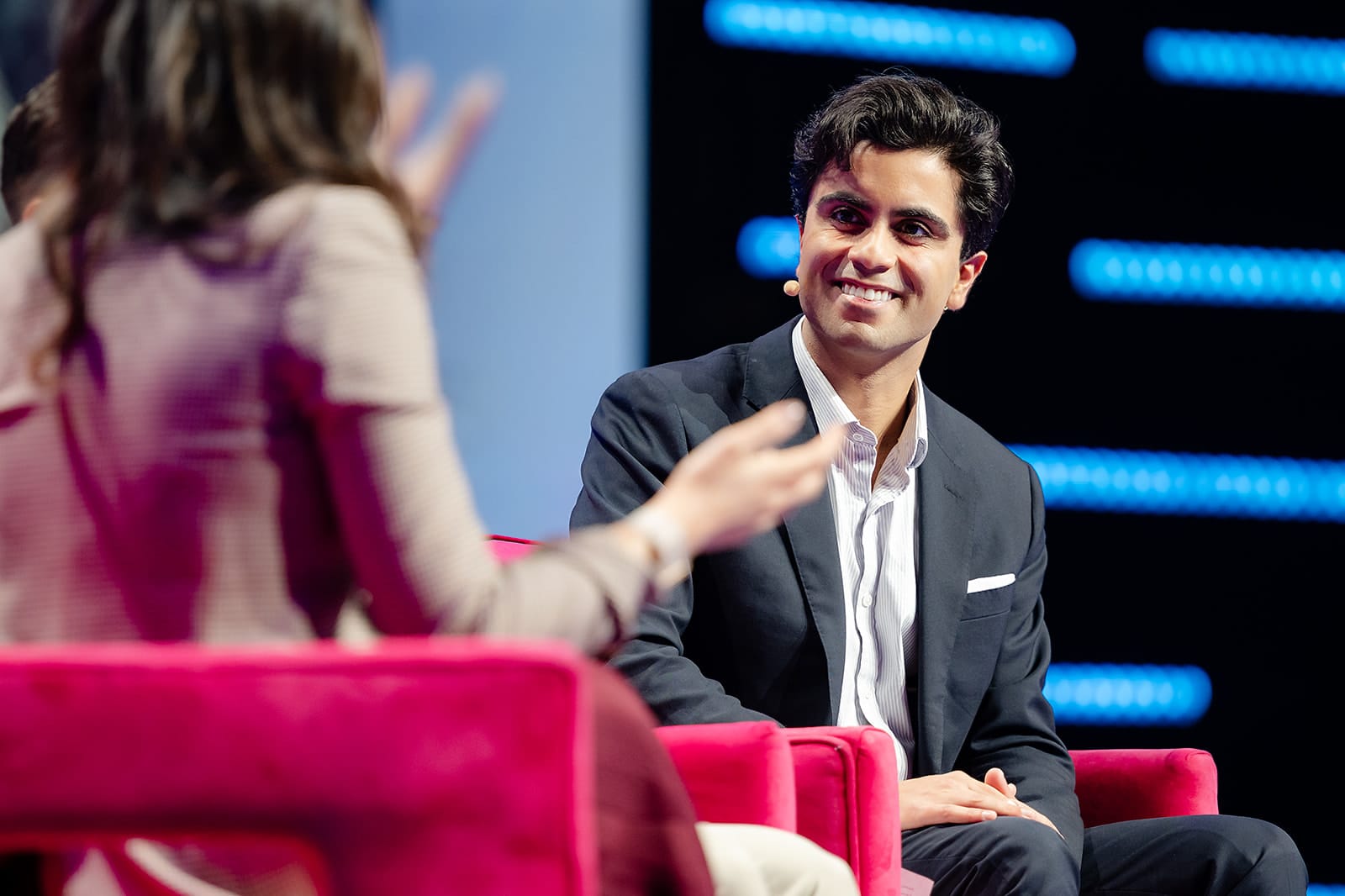
Syal’s question about what changes at the next appointment returned the conversation to its most immediate promise. The automation described in the Cigna example works before a patient hears from a case manager. Its contribution can be measured at the point where the case manager takes over. An organization can ask whether staff have the information they need sooner, whether the necessary checks still happen and whether the resulting call helps move the agreed care plan forward. The patient might never see the software. The change they could notice is whether the person calling already knows enough to help.